
Both ibogaine and ayahuasca have become more visible in conversations about mental health and addiction recovery over the past decade, but they work in different ways, carry different risks, and suit different purposes. People sometimes assume they are interchangeable because both come from plants and both produce intense psychoactive experiences. That assumption misses important distinctions worth understanding before anyone considers either one.
Origins and Preparation
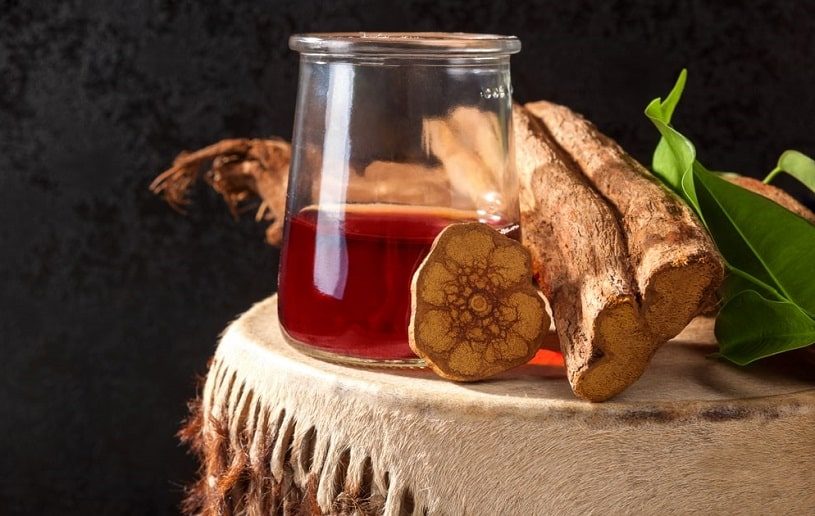
Ayahuasca is a brew made from the Banisteriopsis caapi vine combined with a DMT-containing plant, typically Psychotria viridis. It originates from Amazonian shamanic traditions and is usually administered in group ceremony settings led by a facilitator, often over multiple nights. Ibogaine comes from the root bark of Tabernanthe iboga, a shrub native to Central Africa, and is central to Bwiti spiritual practice in Gabon and Cameroon. Clinically, ibogaine is typically given as a single, larger dose in a controlled medical setting rather than a ceremonial group format.
Duration and Experience
An ayahuasca ceremony generally lasts four to six hours, with participants able to move, speak, and interact to some degree, though often in a dreamlike or visionary state. An ibogaine session is a different animal entirely. The acute psychoactive phase can last twelve to twenty-four hours, often with limited mobility, intense visual phenomena, and a loud ringing or buzzing sound in the ears that many patients describe as unlike any other experience. Patients are typically bedridden for the active period and need direct physical supervision.
Risk Profiles
This is where the two substances diverge most sharply. Ayahuasca carries risks mainly related to interactions with certain medications, particularly SSRIs and other serotonergic drugs, which can cause serotonin syndrome. Ibogaine carries a distinct and more severe risk: cardiotoxicity. It can prolong the QT interval on an ECG, increasing the risk of a dangerous heart rhythm called torsades de pointes. There have been documented deaths associated with ibogaine administration, almost always linked to undetected heart conditions, drug interactions, or inadequate medical monitoring. This is why any facility offering ibogaine needs rigorous cardiac screening, not optional screening, before anyone is dosed.
Different Tools for Different Goals
Ayahuasca is more commonly used for psychological and spiritual exploration, processing trauma, grief, or existential questions. Ibogaine has a narrower, more specific clinical application: interrupting physical opioid withdrawal and reducing cravings associated with substance dependence. Some people use ibogaine specifically because conventional detox methods failed them, while ayahuasca is rarely marketed as a detox tool in the same acute sense, though some facilities combine both in sequence as part of broader addiction programs.
People trying to choose between the two should think about what problem they are actually trying to solve. Someone dealing with severe opioid dependence and acute physical withdrawal is looking at a different situation than someone processing unresolved trauma or seeking spiritual insight. Ibogaine therapy experts from Transcend Clinic note that patients sometimes arrive assuming the two experiences will feel similar, only to find the physical intensity and medical requirements of ibogaine are considerably higher.
For readers wanting a deeper side-by-side breakdown of mechanisms, traditional use, and clinical applications, Ibogaine Club's comparison of ibogaine and ayahuasca covers both substances in more depth than a single article can manage.
Neither substance is a casual decision. Both require research, honest self-assessment, and in the case of ibogaine, a medical screening process that should never be skipped regardless of how the treatment is marketed. Understanding what each substance actually does, physically and psychologically, matters more than treating them as interchangeable plant medicine experiences.
