

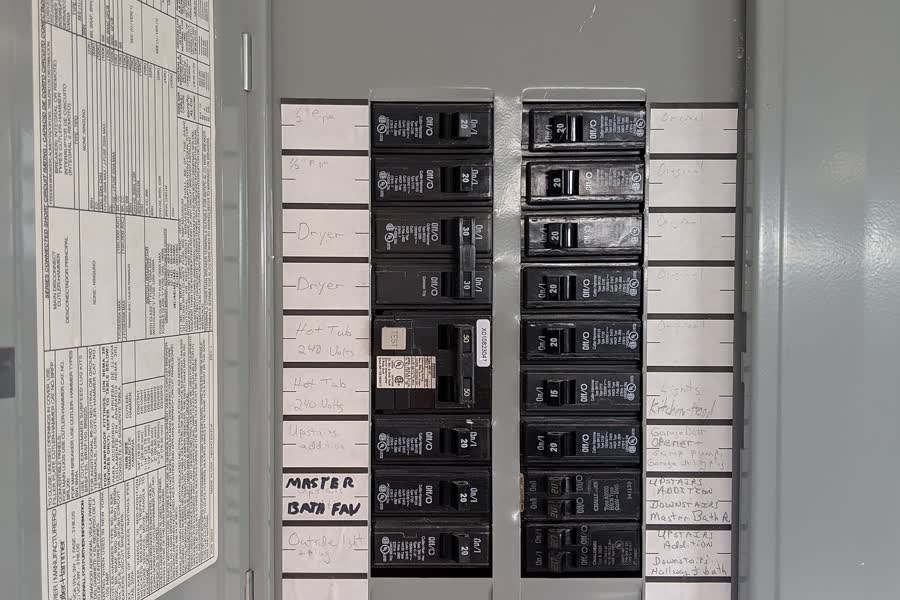
Skipping a permit is tempting. It looks like a way to save a fee and a few days, and plenty of work gets done that way without anything going visibly wrong. The problem is that the costs do not arrive during the project. They arrive later, usually at the worst possible time, and usually larger than the permit would have been.
What a Permit Actually Buys
A permit is not just a receipt. It triggers an inspection by someone with no financial stake in the job, who checks that circuits are sized correctly, grounding and bonding are right, connections are made properly, and the work meets current code. That independent verification is the entire point, and it is the part you cannot reproduce by trusting your contractor.
It also creates a record. Years later, that record is what proves the work was done correctly.
Where Unpermitted Work Surfaces
- Selling the home: buyers and their agents ask about permits, and an inspector who flags unpermitted work can stall or reprice a sale.
- Insurance claims: if a fire or water loss traces back to unpermitted work, a claim can get complicated.
- Future projects: a later permit application can expose earlier unpermitted work, and the correction becomes your problem on someone else’s timeline.
- Appraisals and refinancing: improvements without permits may not count toward value the way owners expect.
The Retroactive Fix Is the Expensive Part
Correcting unpermitted work usually means opening finished walls or ceilings so an inspector can see what is behind them. That is demolition, electrical correction, and then drywall, texture, and paint, on top of the permit and any penalty. The same work done with a permit the first time would have cost the fee and a scheduling day.
Which Jobs Need One
Requirements vary by jurisdiction, but new circuits, panel and service upgrades, rewiring, and adding dedicated circuits for things like EV chargers or large appliances typically require a permit. Replacing a light fixture or a switch generally does not. When you are unsure, the answer takes one phone call to the local building department, or to an electrician who pulls permits routinely.
Make It the Contractor’s Job
A licensed electrician should handle the permit, build to code, and meet the inspector, so the only thing you do is approve the work. Treat a contractor who suggests skipping the permit as a warning rather than a bargain. In California’s Tri-Valley, Golden Electrical is a family-owned C-10 licensed contractor that pulls permits, coordinates inspection, and backs its work with a workmanship warranty.
Final Thoughts
A permit costs a fee and a little patience. Unpermitted work costs a sale, a claim, or a wall. Ask any contractor you hire to confirm in writing that permits are included, and keep the paperwork with your home records.
